Physical PlayStation Games Fade Into History in 2028: What Awaits Players?
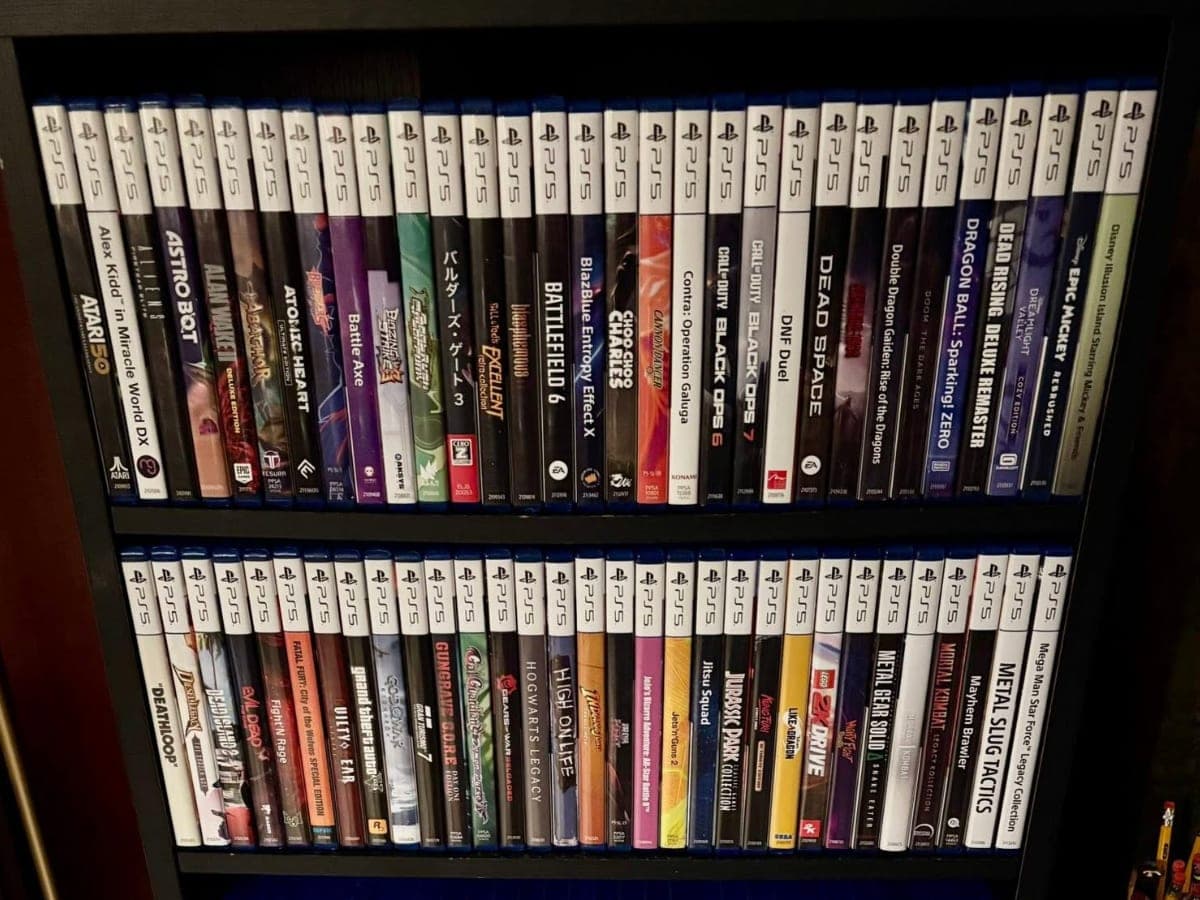
Sony Interactive Entertainment has made a decision that will be talked about in the gaming industry for years. The company has officially announced that, starting in January 2028, new games released for PlayStation consoles will no longer be produced as physical discs. After that date, new games will be sold only in digital format, through the PlayStation Store and retailers that sell digital codes. Games released before 2028 will continue to be sold as physical discs.
This decision will affect not only how people buy games, but many areas — from collecting to the second-hand market, from game rentals to the very idea of digital ownership.
So what does this change mean for players?
Why Did Sony Make This Decision?
According to Sony, the main reason for the decision is players' changing buying habits. The company states that the vast majority of users now buy games digitally, and that the industry's general trend is in this direction too. The digital distribution model both lets players reach games faster and significantly reduces production, logistics and distribution costs.
This change didn't actually happen overnight. In recent years, the share of digital sales has steadily grown, and physical discs have become an increasingly smaller market.
Advantages for Players
The move to digital distribution will bring some important conveniences for players.
You won't need to go to a store or wait for shipping to buy a newly released game. Games can be downloaded and played the moment they launch.
The need to swap physical discs also disappears. Switching between games installed on the console will be much faster.
For Sony, lower production and distribution costs will make it easier to release games globally at the same time. Digital updates and additional content can also be delivered faster.
Disadvantages
The most criticized aspect of the decision is game ownership.
When you buy a physical disc, you can sell it, trade it, lend it to a friend, or keep it in your collection for years.
With digital games, the situation is different. On most platforms, what you buy is not the game itself but a usage license tied to your account. So games can't be sold second-hand or transferred to another user.
Another important issue is price competition. With physical games, it was possible to compare prices across different stores. On the digital side, pricing is largely shaped within the platform's ecosystem.
For players who collect, an important era is also coming to an end. Special boxes, Steelbook editions and physical game archives may become a more niche hobby over time.
How Will the Second-Hand and Rental Market Be Affected?
The disappearance of physical discs will directly affect the second-hand game market.
Today, many players sell a game after finishing it or trade it for another. Because this option doesn't exist with digital licenses, the second-hand game economy is expected to shrink significantly.
This change may also affect the game rental model. Renting discs won't be possible, but hardware rental may become more important.
Console Rental May Become More Popular
The interesting point is this: as physical games decline, renting consoles may become a more sensible option.
Today, many players buy a newly released console just to experience a few exclusive games. And the price of the console is quite high.
Because in the digital ecosystem the game library is tied to the user's account, players can access their games by logging into a different PlayStation with their own account. For some users, this can make the idea of renting a console for a certain period more attractive than buying one.
Especially for players who want to use next-generation PlayStation consoles, VR headsets or special gaming gear only during the periods they need them, the rental model may attract more interest.
A New Era for Collectors
The fact that physical game production will stop may also affect the value of existing discs.
Limited-run collector's editions, Steelbook boxes and rare games may become more valuable in the collector's market over time. Just like old consoles and retro games, some physical PlayStation games may stand out as collector's items in the long run.
How Will This Decision Change the Gaming World?
Sony's decision concerns not only the PlayStation ecosystem. One of the industry's biggest players moving entirely to digital distribution could be an important turning point for other platform makers and publishers too.
In the coming years, the most important question for players will no longer be “Which game should I buy?” but “How can I access games and gaming gear most affordably?”
The culture of buying is gradually giving way to the access economy. As digital licenses become widespread in games, sharing and renting high-cost hardware may also gain more importance.
Frequently Asked Questions
Is PlayStation stopping physical game production entirely?
Yes. Sony has officially announced that, starting in January 2028, new games released for PlayStation will not be produced as physical discs. This decision does not cover games released or to be released before 2028.
Will the disc games I bought before 2028 keep working?
Yes. According to Sony, physical games released earlier will not be affected by this decision.
When I buy a digital game, do I really own it?
On most digital platforms, what you buy is not a physical copy of the game but a usage license tied to your account. License terms may vary by platform.
Can physical game collections gain value?
While there's no firm guarantee, physical games whose production has ended and special editions may become more valuable to collectors over time.
Does this change end game rentals?
Physical disc rental may largely disappear. But renting high-cost game consoles, VR headsets, racing wheel sets and other gaming gear may gain more importance as the access economy grows.