As technology develops, our consumption habits are also changing rapidly. In the past, buying almost every product we needed was seen as a natural choice; today, more and more people prefer to access the product they need only for as long as they need it. At the center of this shift is the sharing economy.
The sharing economy is an economic model that lets individuals and businesses share products, services or resources they own but don't use constantly with others. This way, unused resources are brought back into the economy, users can meet their needs at lower cost, and more people can benefit from existing products.
Acting with this understanding, Kiraala aims to contribute to a more sustainable consumption model as a sharing economy platform that matches unused items with the people who need them.
How Does the Sharing Economy Work?
Many products we use in daily life actually spend most of their time unused.
For example, a drill is used only a few times a year in an average home. A professional camera may be needed only on holidays or at special events. Camping gear, meanwhile, is often used a few weeks a year while it waits in storage the rest of the time.
This is exactly where the sharing economy comes in. Instead of buying a product, you rent it only for as long as you need it. The owner, meanwhile, earns extra income by renting out the product in the periods it isn't used. Thanks to this model:
- The owner earns income.
- The renter avoids the high purchase cost.
- The same product is used by many people.
- Resources are used more efficiently.
This structure, where everyone gains, is one of the strongest aspects of the sharing economy.
Why Is the Sharing Economy Growing So Fast?
There are many reasons the sharing economy has spread rapidly worldwide in recent years.
1. Lower Cost
Many products are used only for short-term needs. In such cases, renting offers a far more economical solution than buying the product by paying high amounts. For example:
- Instead of buying a tent for a weekend camp, you can rent one.
- You don't have to buy a drill you'll use for just a few hours for a home renovation.
- You can access professional camera equipment affordably for a single shoot day.
This approach provides significant savings, especially on high-priced products.
2. A More Sustainable Life
One of the most important advantages of the sharing economy is its environmental impact. Producing each new product requires energy, water, raw materials and logistics processes. It also causes carbon emissions to rise.
A product being used by dozens of different users instead of just one reduces the need to produce new products. As a result:
- Fewer natural resources are consumed.
- Less waste is generated.
- Products' usable life is extended.
- The circular economy is supported.
That's why the sharing economy is seen as one of the important building blocks of a sustainable way of life.
3. Unused Items Turn into Income
Many people have products at home or work that haven't been used for a long time. Professional cameras, camping gear, game consoles, power tools or projectors often wait in closets.
Thanks to the sharing economy, these products regain value. Owners:
- Earn extra income,
- Can recover their products' cost over time,
- Can put their unused items to good use.
This creates a new income model for both individuals and businesses.
4. Technology Makes Safe Sharing Easier
In the past, giving your product to someone you didn't know seemed quite difficult. Today, thanks to digital platforms, rental processes can be managed much more easily.
Thanks to product listings, photos, user reviews, messaging systems and digital rental processes, the parties can get to know each other better and transact with confidence. These conveniences offered by technology have become one of the most important factors in the sharing economy's growth.
Which Products Can Be Part of the Sharing Economy?
Actually, far more products than you'd think can be part of the sharing economy. For example:
- Cameras and lenses
- Drone equipment
- Camping supplies
- Power hand tools
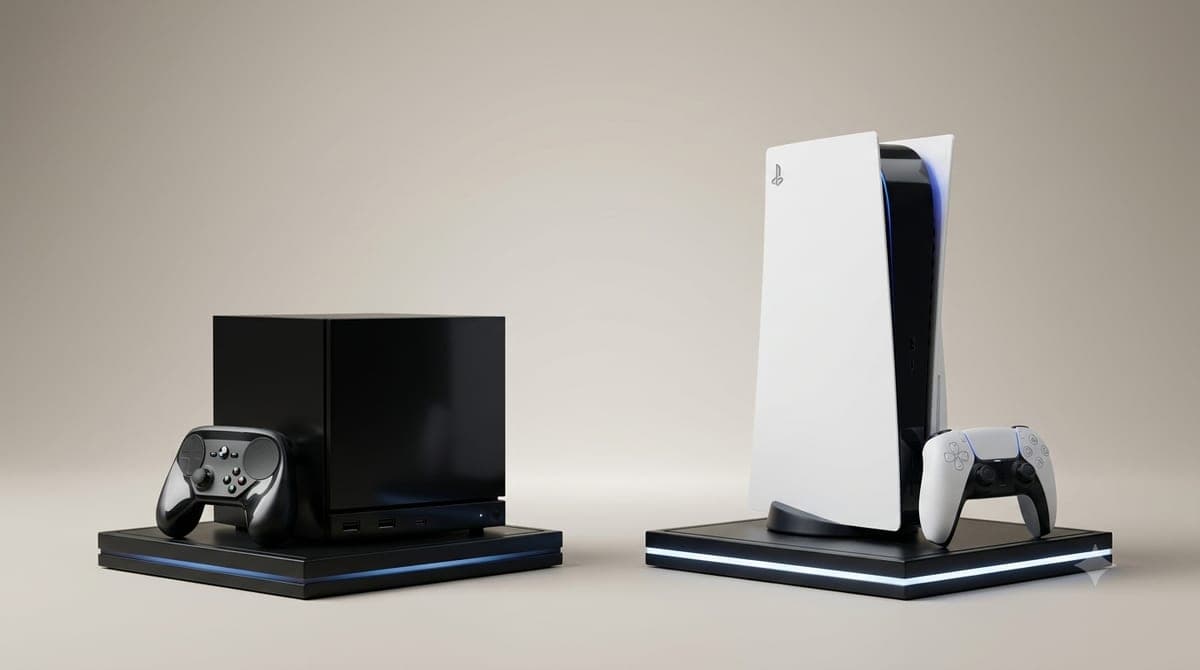
- Game consoles
- Projectors
- Sound systems
- Sports equipment
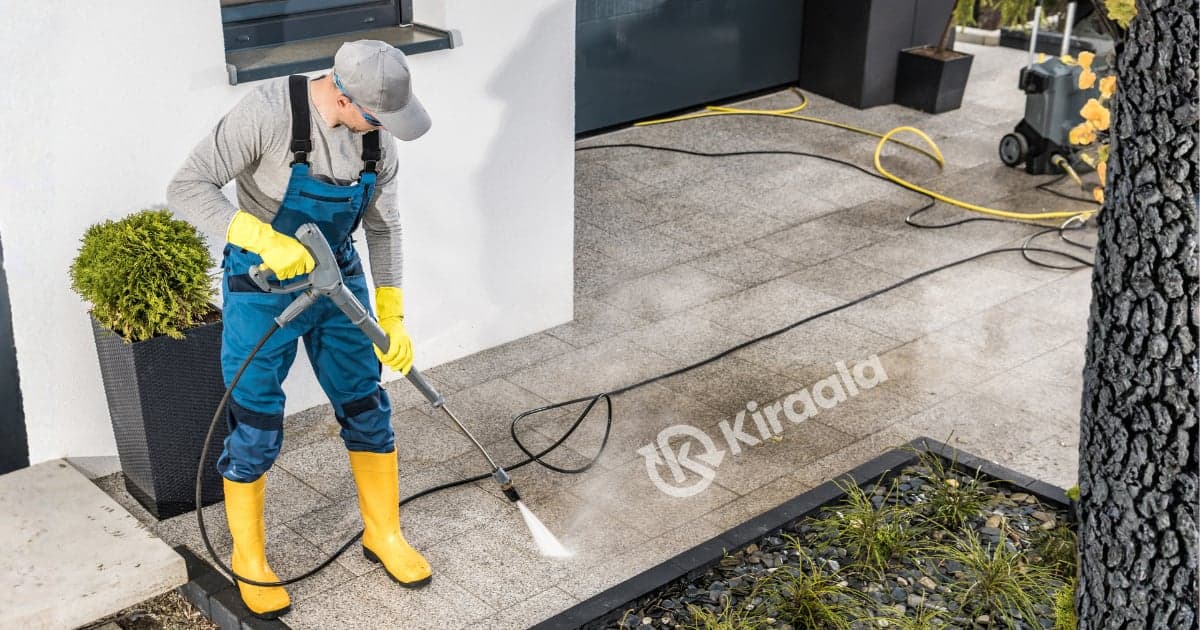
- Cleaning machines
- Garden equipment
- Bicycles and scooters
If a product isn't used constantly, it most likely has the potential to create value for someone else.
The Future of the Sharing Economy
Experts predict that in the future consumption will become more access-focused than ownership-focused. Younger generations in particular are making priorities of:
- Owning fewer things,
- Being able to access a product the moment they need it,
- Living more sustainably,
- Using resources more efficiently
This shift affects not only individuals but businesses too. More and more companies are making rental and sharing models part of their business processes.
In the coming years, the sharing economy is expected to spread to much broader product categories and become a natural part of daily life.
Be Part of the Sharing Economy with Kiraala
Kiraala makes the sharing economy accessible to everyone by matching unused products with the people who need them.
Whether you rent a product you need for a short time, or earn extra income by renting out the items you don't use; with Kiraala you can both contribute to your budget and support a more sustainable consumption model. Every rental helps put an unused product back to use and enables more efficient use of resources.
Conclusion
The sharing economy is not just a new business model, but also a global transformation changing our consumption habits. Choosing to access what we need the moment we need it — instead of owning — offers important economic, environmental and social advantages.
Thanks to lower cost, less waste, extra income opportunities and more efficient use of resources, the sharing economy is being adopted by more people every day. As part of this transformation, Kiraala brings individuals and businesses together on a safe platform, helping unused items regain value and contributing to the sharing-focused way of life of the future.