Tüketim alışkanlıkları dünya genelinde büyük bir dönüşüm geçiriyor. Geçmişte bir ürüne sahip olmak, o ürüne erişmenin tek yolu olarak görülürken günümüzde insanlar giderek daha fazla şekilde erişim odaklı çözümleri tercih ediyor.
Ekonomik koşullar, sürdürülebilirlik bilincinin artması, şehir yaşamının değişmesi ve teknolojinin sunduğu kolaylıklar; kiralama ekonomisinin hızla büyümesini sağlayan en önemli faktörler arasında yer alıyor.
Artık tüketiciler her ürünü satın almak yerine, ihtiyaç duydukları anda doğru ürüne ulaşmayı daha pratik ve mantıklı bir seçenek olarak görüyor.
2026 yılı ve sonrasında kiralama ekonomisinin daha da büyümesi, yeni kategorilerin ortaya çıkması ve paylaşım modellerinin günlük hayatın daha büyük bir parçası haline gelmesi bekleniyor. Kiraala da bu dönüşümün merkezinde yer alarak bireyleri ve işletmeleri daha kolay, ekonomik ve sürdürülebilir bir kiralama deneyimiyle buluşturmayı hedefliyor.
1. Mikromobilite Kiralama Yaygınlaşmaya Devam Edecek
Şehirlerde ulaşım alışkanlıkları hızla değişiyor. Özellikle kısa mesafelerde otomobil kullanımı yerine daha pratik ve çevreci alternatifler tercih ediliyor. Elektrikli scooter, bisiklet ve benzeri mikromobilite araçları bu dönüşümün önemli parçalarından biri haline geldi. Kullanıcılar artık:
- Şehir içinde hızlı ulaşım sağlamak,
- Yeni bölgeleri keşfetmek,
- Kısa süreli ihtiyaçlarını karşılamak
için satın alma yerine kiralama modellerine yöneliyor. Özellikle büyük şehirlerde, birkaç saatlik veya birkaç günlük ihtiyaçlar için araç kiralama modellerinin daha fazla yaygınlaşması bekleniyor. Kiralama sayesinde kullanıcılar:
- Bakım maliyetleriyle uğraşmaz,
- Depolama problemi yaşamaz,
- Farklı modelleri deneyebilir.
Bu nedenle mikromobilite, geleceğin önemli kiralama kategorilerinden biri olmaya devam edecek.
2. Teknoloji Ürünleri Kiralama Büyüyecek
Teknoloji ürünleri hızla gelişiyor ve yeni modeller sürekli piyasaya çıkıyor. Ancak profesyonel seviyedeki birçok teknolojik ürün yüksek maliyetleri nedeniyle herkes için erişilebilir olmayabiliyor. Bu nedenle teknoloji kiralama modelleri giderek daha fazla tercih ediliyor. Özellikle:
- Profesyonel kameralar,
- Lensler,
- Drone ekipmanları,
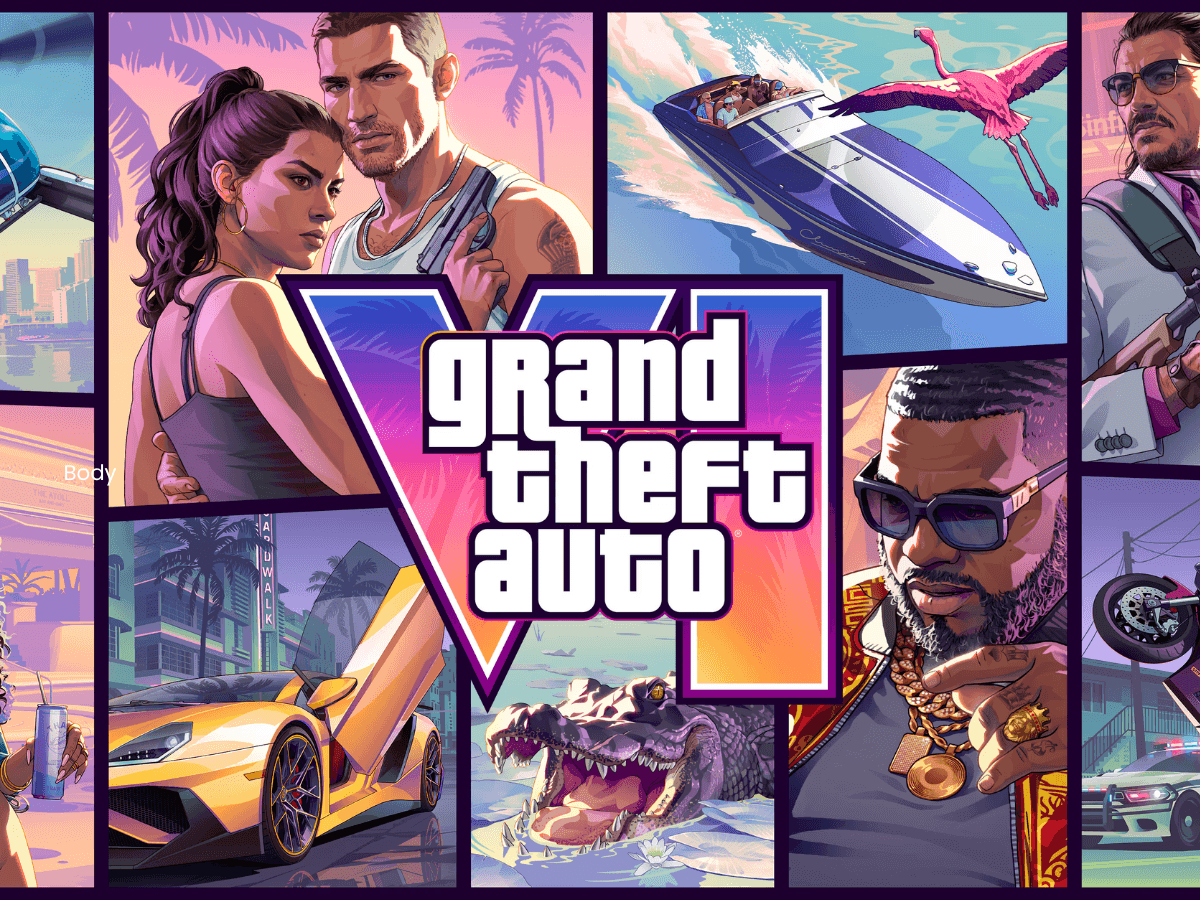
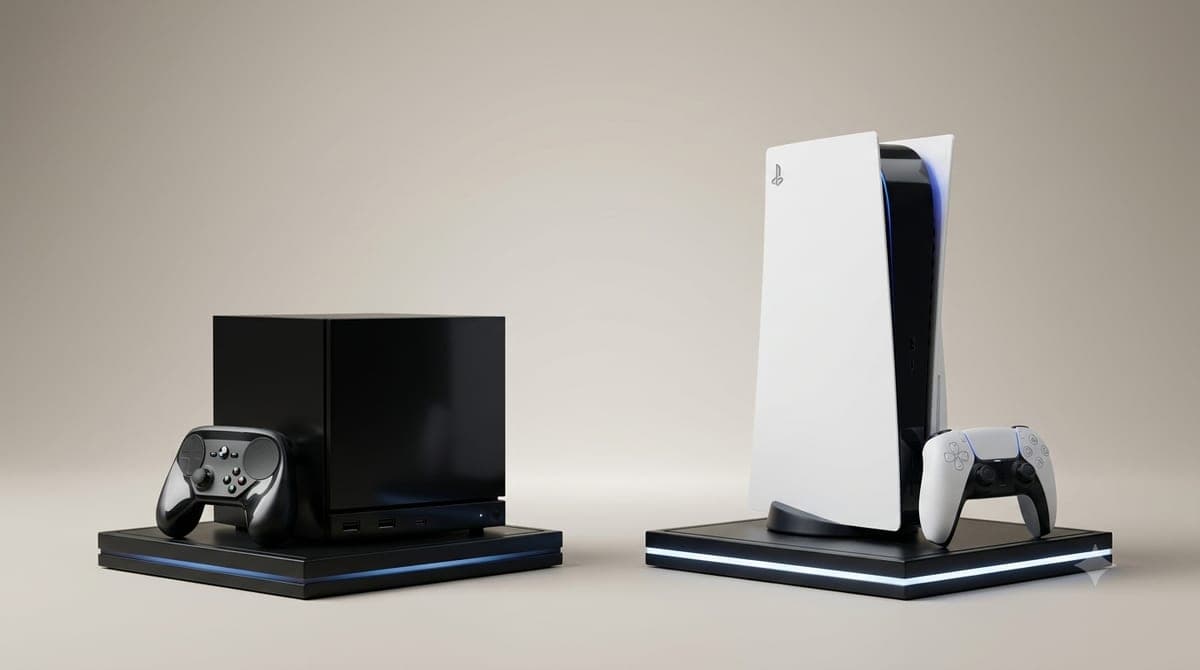
- Oyun konsolları,
- Projeksiyon cihazları,
- Ses sistemleri
gibi ürünlerde kiralama talebinin artması bekleniyor. Bir içerik üreticisi yalnızca belirli bir proje için profesyonel kamera ekipmanına ihtiyaç duyabilir. Bir kullanıcı yeni bir teknolojiyi satın almadan önce deneyimlemek isteyebilir. Kiralama modeli, teknolojiye daha ekonomik ve esnek erişim sağlıyor.
3. B2B Kiralama ve İşletmeler Arası Paylaşım Artacak
Kiralama ekonomisi yalnızca bireysel kullanıcılarla sınırlı değil. İşletmeler de artık sahiplik yerine daha esnek kullanım modellerini tercih ediyor. Özellikle şirketler için:
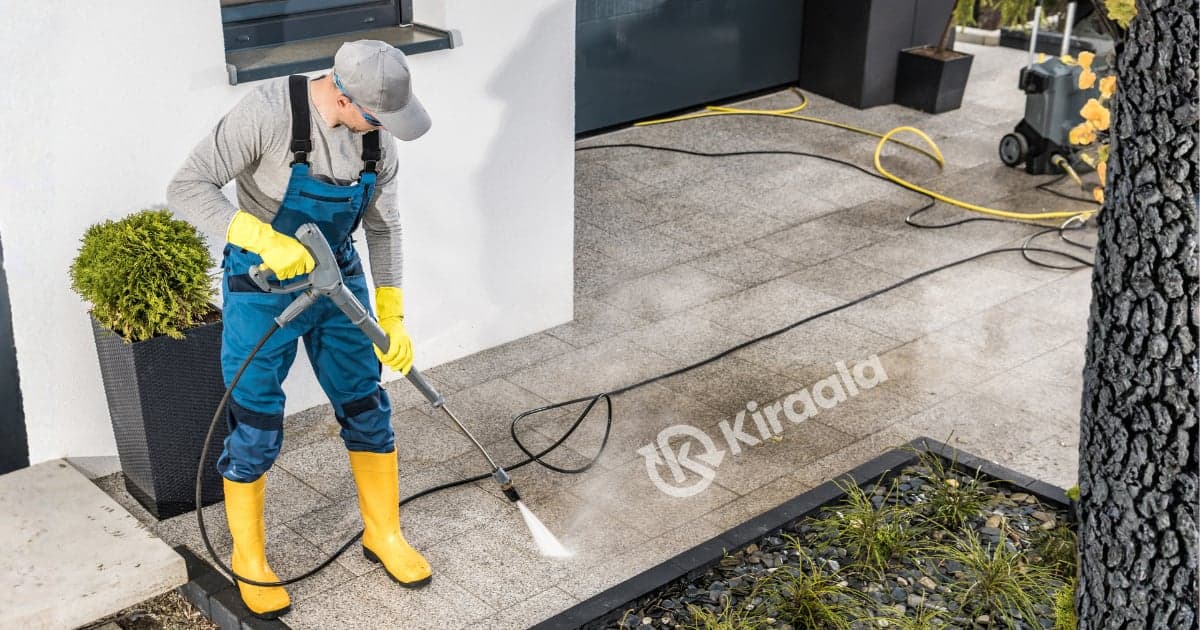
- İş makineleri,
- Ofis ekipmanları,
- Teknik cihazlar,
- Etkinlik ekipmanları,
- Profesyonel araçlar
gibi kategorilerde kiralama önemli avantajlar sağlıyor. Bir işletme, sürekli kullanmayacağı pahalı ekipmanları satın almak yerine yalnızca ihtiyaç duyduğu dönemlerde kiralayarak maliyetlerini optimize edebilir. Bu model:
- Daha düşük yatırım maliyeti,
- Daha esnek operasyon,
- Daha verimli kaynak kullanımı
sağladığı için B2B kiralama sektörünün büyümesi bekleniyor.
4. Döngüsel Ekonomi Daha Fazla Önem Kazanacak
Sürdürülebilirlik, tüketicilerin kararlarında giderek daha önemli bir faktör haline geliyor. Geleneksel tüketim modeli “Satın al → Kullan → At” üzerine kuruluyken, döngüsel ekonomi “Kullan → Paylaş → Yeniden değerlendir” anlayışını destekliyor. Kiralama ekonomisi bu dönüşümün en önemli parçalarından biri. Bir ürünün daha fazla kişi tarafından kullanılması:
- Yeni üretim ihtiyacını azaltır,
- Atık oluşumunu sınırlar,
- Ürünlerin kullanım ömrünü uzatır.
2026 ve sonrasında çevre bilinci arttıkça, kullanıcıların daha sürdürülebilir tüketim modellerine yönelmesi bekleniyor.
5. Deneyim Odaklı Tüketim Artacak
Yeni nesil tüketiciler yalnızca ürün sahibi olmak yerine deneyim yaşamaya daha fazla önem veriyor. Örneğin:
- Bir kamp ekipmanına sahip olmak yerine doğada deneyim yaşamak,
- Profesyonel kamera satın almak yerine içerik üretmek,
- Bir spor ekipmanı almak yerine yeni bir aktivite denemek
daha cazip hale geliyor. Kiralama modeli, kullanıcıların farklı deneyimleri daha düşük maliyetlerle keşfetmesini sağlıyor. Bu nedenle gelecekte “sahiplik” yerine “erişim ve deneyim” kavramlarının daha güçlü hale gelmesi bekleniyor.
6. Dijital Platformlar Güveni ve Kolaylığı Artıracak
Kiralama ekonomisinin büyümesindeki en önemli faktörlerden biri teknoloji olacak. Dijital platformlar sayesinde kullanıcılar:
- Ürünleri kolayca keşfedebilir,
- Kullanıcı yorumlarını inceleyebilir,
- Güvenli iletişim kurabilir,
- Kiralama süreçlerini dijital olarak yönetebilir.
Değerlendirme sistemleri, kullanıcı profilleri ve kolay ödeme çözümleri kiralama deneyimini daha güvenli hale getiriyor. Bu gelişmeler, daha fazla kişinin kiralama modelini benimsemesini sağlayacak.
Kiraala ile Kiralama Ekonomisinin Geleceğine Katılın
Kiralama ekonomisi yalnızca geçici bir trend değil, tüketim alışkanlıklarının geleceğini şekillendiren büyük bir dönüşüm. Kiraala; bireyleri ve işletmeleri aynı platformda buluşturarak kullanılmayan ürünlerin değerlendirilmesini, ihtiyaç duyulan ürünlere kolayca erişilmesini ve paylaşım ekonomisinin büyümesini sağlıyor.
İster ihtiyacınız olan bir ürünü kiralayın, ister kullanmadığınız eşyalarınızı kiraya vererek değerlendirin; Kiraala ile bu yeni ekonominin bir parçası olabilirsiniz.
Sonuç
2026 ve sonrasında kiralama ekonomisinin daha fazla kategoriye yayılması, daha fazla kullanıcı tarafından benimsenmesi ve günlük hayatın doğal bir parçası haline gelmesi bekleniyor. Mikromobiliteden teknoloji ürünlerine, bireysel kullanımdan işletme çözümlerine kadar birçok alanda kiralama modeli daha esnek, ekonomik ve sürdürülebilir bir alternatif sunuyor.
2026 ve sonrası; esnekliğin, erişimin ve daha bilinçli tüketimin dönemi olacak. Kiraala da bireyleri ve işletmeleri bu yeni düzende buluşturmaya devam edecek.